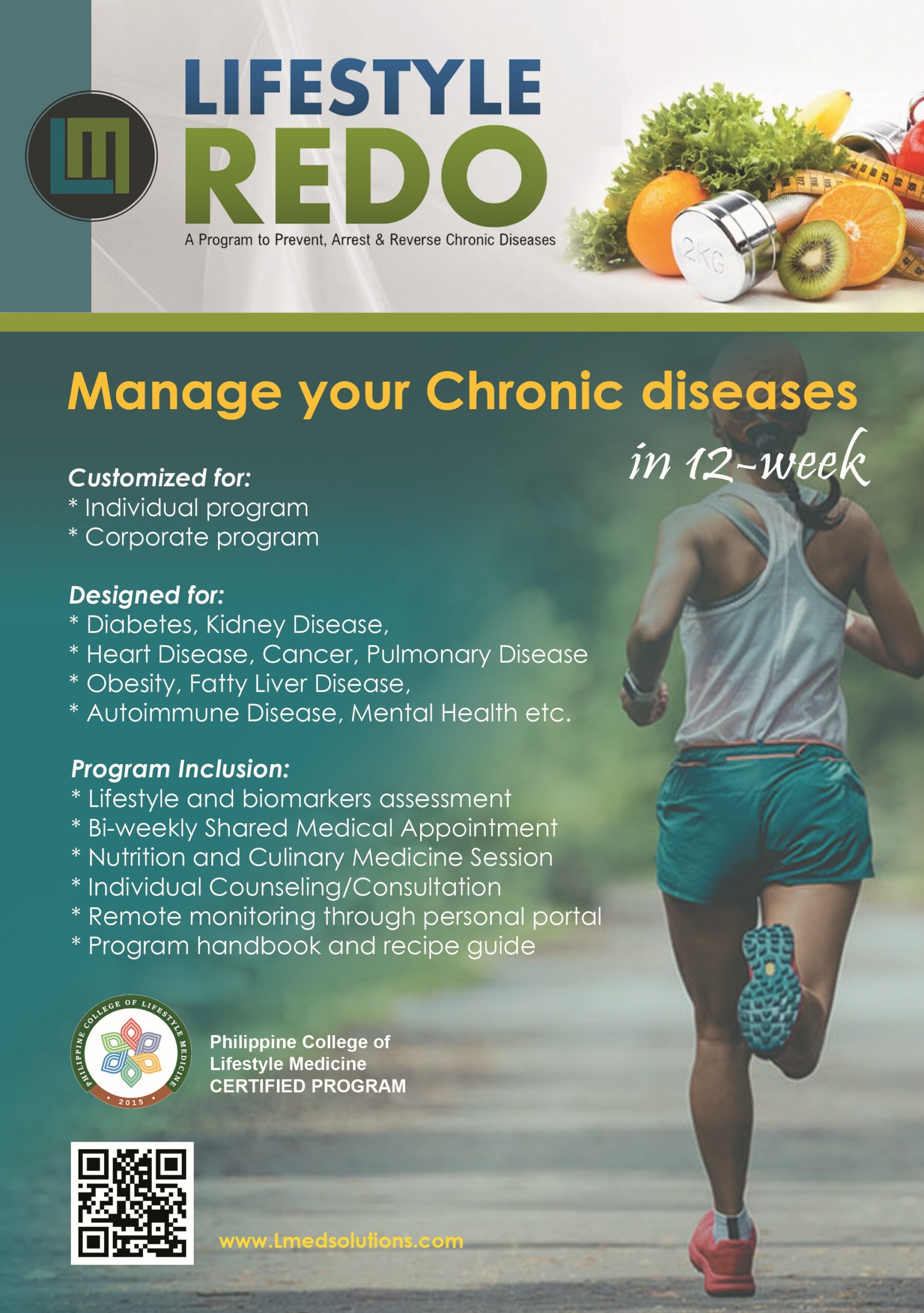

Non-Communicable Diseases (NCDs): A Preventable Health Crisis
Non-communicable diseases such as heart disease, diabetes, cancer, and stroke are largely driven by modifiable lifestyle factors including unhealthy diets, physical inactivity, tobacco use, and harmful alcohol consumption. NCDs cause 41 million deaths annually, accounting for 74% of deaths worldwide, with 17 million premature deaths occurring before age 70 — most in low- and middle-income countries.
The good news is that many NCDs are preventable through healthy lifestyle changes and evidence-based Lifestyle Medicine interventions.
Behavioural Factors
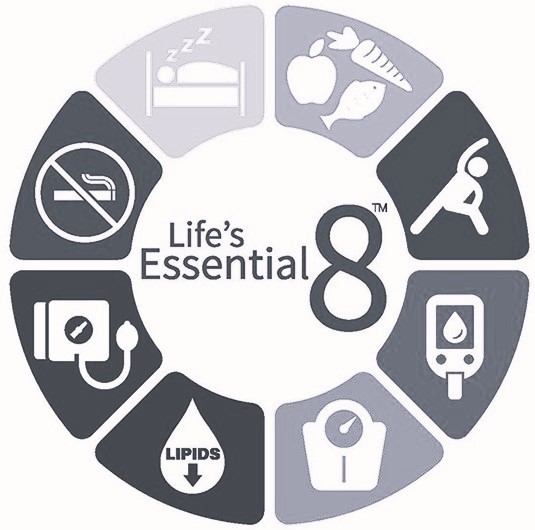
Modifiable behaviours such as unhealthy diet, physical inactivity, tobacco and alcohol use increase the risk of NCDs.
Metabolic Factors
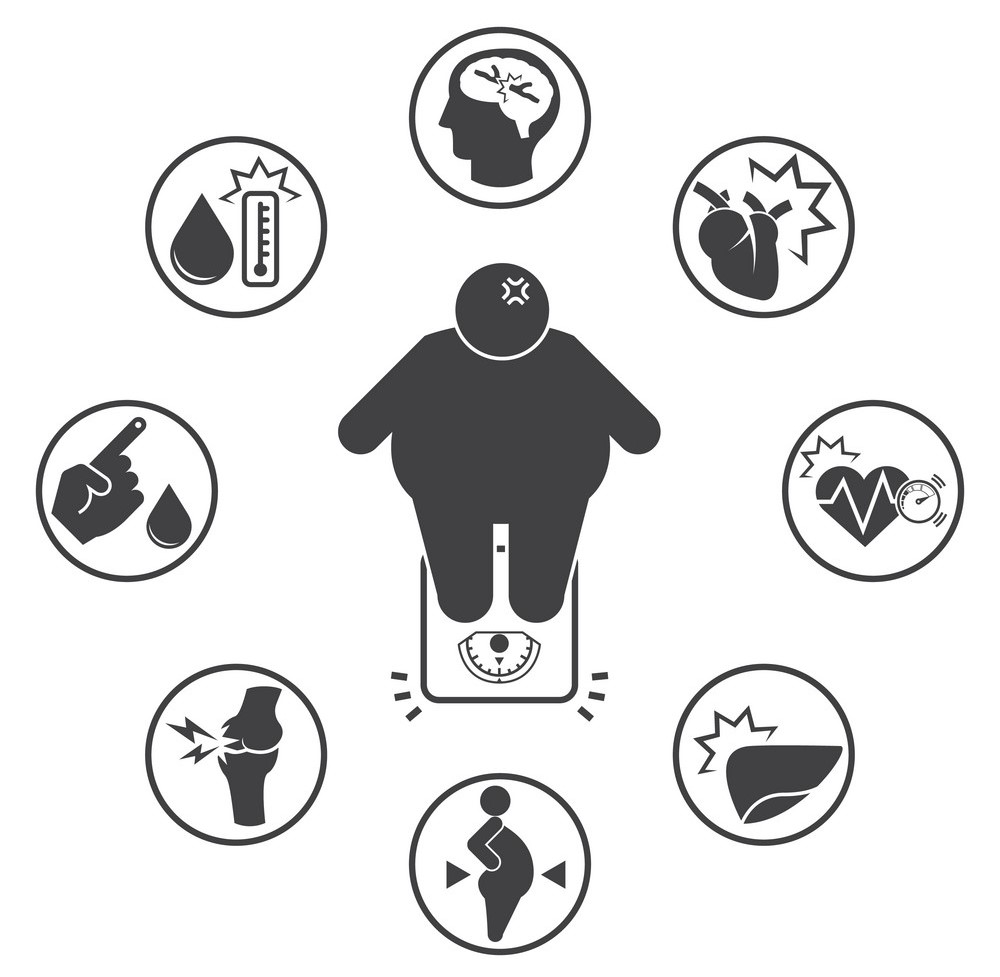
Increased blood pressure, overweight/obesity, and high levels of fat in the blood are metabolic risk factors that increase the risk of NCDs.

Socio-economic Factors
Poverty is closely linked with NCDs. In low-resource settings, health-care costs for NCDs quickly drain household resources, and lifestyle programs are proven solutions.
How it works?
Lifestyle Medicine is a holistic approach to health that focuses on identifying and addressing the root causes of disease. It employs evidence-based interventions designed to assess and manage the upstream determinants of chronic illnesses.
The World Health Organization reports that more than 70% of diseases and healthcare expenditures are devoted to managing chronic conditions linked to unhealthy lifestyle choices—such as heart disease, obesity, high cholesterol, and type 2 diabetes. Lifestyle Medicine aims to reverse this trend by prescribing sustainable behavior changes that minimize risk factors and promote health-enhancing habits.